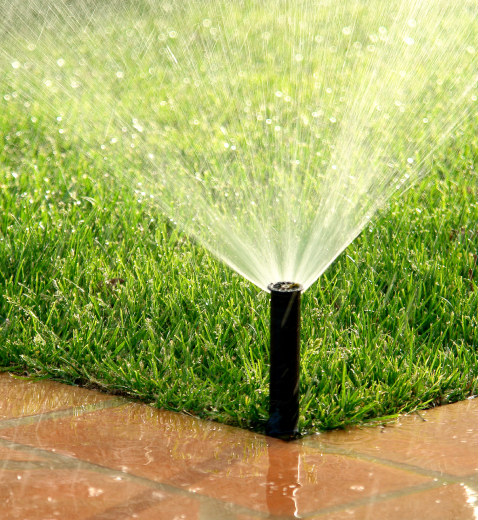
How Often to Water New Sod in the New Orleans Heat
- Water right after installation until the sod and the soil beneath it are both moist, without causing runoff.
- LSU AgCenter says sod needs watering one to two times a day for the first 10 to 14 days during active growth.
- After about two weeks, water less often and more deeply to push roots down into the soil.
- Rain counts, so skip watering when enough has fallen.
- St. Augustine is prone to large patch and gray leaf spot, so constant wetness and night watering raise disease risk.
- Get the watering ready before the sod arrives
- Water right after the sod goes down
- The first two weeks
- A week-by-week watering plan
- How to water without overdoing it
- Why St. Augustine sod needs extra care
- How to tell the sod is rooting
- Signs of too much or too little water
- Timing matters in Louisiana
- What comes after watering
- Frequently asked questions
The pallets arrived Thursday, the crew laid the sod Friday, and by Sunday afternoon the edges are curling and the seams look tan. New sod in a New Orleans summer can dry out in a single hot afternoon, and it can just as easily rot if it’s kept soaked. Getting the watering right in the first few weeks decides whether it roots in or dies.
At TurnKey Lawn Care, sod installation and the aftercare that follows are part of the work we do across the metro. If you’ve just laid sod or are planning to, request a free estimate and we’ll set you up with a watering plan that fits your yard.
This guide gives a week-by-week watering plan, explains how to tell whether the sod is rooting, and covers the overwatering mistakes that lead to disease in St. Augustine.
Get the watering ready before the sod arrives
Sod starts drying out the moment it’s cut, so the watering setup should be sorted before the pallets are delivered. A little preparation saves a scramble on installation day.
- Test every sprinkler zone and confirm the new area is fully covered, including corners and strips along walks
- Have a hose and a spray nozzle long enough to reach the whole area for hand-watering edges and seams
- Set the irrigation timer to early morning start times, not evening
- Check the forecast so you can plan around heavy rain or a heat wave in the first week
- Arrange for someone to handle the midday check if you’ll be away during the first two weeks
Water right after the sod goes down
The first watering is the most important one. The LSU AgCenter home lawn series advises irrigating directly after installation until both the sod and the soil underneath it are moist, while stopping short of surface runoff. That second part matters. Sod pieces sitting on dry soil can’t send roots into it, so the water has to reach the soil below the sod, not just wet the grass on top. To check, lift a corner of a piece of sod after watering. The soil beneath should be damp to the touch. If it’s dry, water longer on the next cycle.
Want this handled instead of doing it yourself?
Send the details and we will price it. Free estimate, no obligation.
The first two weeks
New sod has almost no roots in your soil yet, so it depends on frequent, light watering to stay alive. LSU’s home lawn series says sod needs irrigation one to two times per day for the first 10 to 14 days while the grass is actively growing. A separate LSU AgCenter guide to sod success describes a more hands-on version for hot weather. It suggests running a sprinkler for five to 10 minutes first thing in the morning, just enough to soak the sod layer, and repeating around lunchtime and in the evening. Both approaches aim at the same goal: keep the sod layer and the soil right below it from drying out, without keeping it waterlogged.
A week-by-week watering plan
Here’s how those recommendations translate into a practical schedule for a New Orleans lawn in the growing season. Adjust for rain and for how quickly your soil dries.
| Period | How often | What you’re aiming for |
|---|---|---|
| Installation day | Once, thoroughly | Sod and soil beneath both moist, no runoff |
| Days 1 to 14 | One to two times a day, or short morning, midday and evening cycles in extreme heat | Sod layer never dries out while roots start |
| After about two weeks | Every other day | Soil dries slightly between waterings so roots reach down |
| Following weeks | A couple of times a week, then as needed | Deep, less frequent watering to build a deep root system |
The step-down after two weeks follows LSU’s guidance. The home lawn series says that after 14 days, irrigation should be applied less often with longer gaps between waterings to encourage deeper rooting. The sod success guide describes switching to every other day, then a couple of times a week.
How to water without overdoing it
Overwatering new sod is as much a risk as underwatering it. A few habits help you hit the right amount:
- Water early. The first cycle of the day should run first thing in the morning, so the grass dries during the day.
- Stop before runoff. If water starts running off the sod or pooling at the low end of the yard, the soil has had enough for now.
- Check under the sod. Lift a corner to see whether the soil beneath is damp, rather than judging by the surface.
- Count the rain. Skip a cycle when enough rain has fallen, and turn off automatic timers during rainy stretches.
- Watch the edges and seams. They dry first. Hand-water them if they start to curl or tan while the middle stays green.
Our pages on what time of day to water grass and the Louisiana lawn watering schedule cover watering once the sod has rooted and become part of the lawn.
Why St. Augustine sod needs extra care
The LSU sod success guide cautions that St. Augustine is particularly susceptible to large patch and gray leaf spot, especially with overwatering. Both diseases thrive when grass stays wet for long periods. That creates a balancing act with new sod. It needs frequent water to root, but leaving the blades wet overnight gives disease a head start. Keeping the watering early in the day and stepping it down on schedule after two weeks keeps that risk in check. Our posts on gray leaf spot on St. Augustine and brown patch fungus explain how each disease develops and what to watch for on a new lawn.
How to tell the sod is rooting
The step-down in watering should follow the roots. The LSU sod success guide says that after about two weeks you should begin to see roots growing into your existing soil. The easiest check is a gentle tug on a corner of a sod piece:
- Lifts freely with no resistance: roots haven’t reached the soil yet, so keep the frequent schedule going
- Resists slightly, with white roots visible underneath: rooting has started, so begin spacing out waterings
- Holds firmly and won’t lift: the sod is knitting into the soil, and deep, occasional watering is the goal now
LSU’s home lawn series notes that rooting can take 30 to 60 days depending on conditions, so a firm hold across the whole lawn may take longer than two weeks. Our page on how long sod takes to root goes into the timeline in more detail.
Signs of too much or too little water
New sod tells you quickly when the watering is off. Learning the signs helps you correct course before the damage is permanent.
| Too little water | Too much water |
|---|---|
| Edges and seams curl and turn tan | Soil stays soggy and squishes underfoot |
| Pieces shrink and gaps open between them | Water pools at seams or low spots |
| Grass feels crisp and doesn’t spring back | Yellowing or rotting patches appear |
| Soil under a lifted corner is dry | Roots stay shallow because the surface never dries |
If the edges are drying while the center looks fine, hand-water the edges rather than running the whole system longer. If the lawn is soggy, skip a cycle and let the surface dry before watering again.
Timing matters in Louisiana
The LSU sod success guide names April to October as the ideal window for laying sod in Louisiana. The home lawn series adds that sod can be laid year-round but is more prone to drying out and winter injury if it’s laid while dormant, from October to March. Sod laid in the heat of summer needs the closest attention to watering, since hot afternoons can dry the sod layer fast. Sod laid in spring or early fall is usually more forgiving, because it roots in while temperatures are milder. Our page on the best time to lay sod in Louisiana compares the seasons in more detail.
What comes after watering
Once the sod has rooted, the next steps are mowing and feeding. LSU’s home lawn series advises starting to mow once the grass is actively growing and rooted into the soil, never removing more than one-third of the leaf blade at a time. It also recommends up to 0.5 pound of nitrogen per 1,000 square feet once the turf has rooted in. Our sod installation guide walks through the full process from soil preparation to the first feeding.
Frequently asked questions
How often should I water new sod?
LSU AgCenter recommends watering new sod one to two times a day for the first 10 to 14 days during active growth, then less often with longer gaps to encourage deeper roots. Skip watering when enough rain has fallen.
Is 20 minutes too long to water grass?
It depends on your soil and sprinklers. For new sod, the goal is to wet the sod and the soil just beneath it without runoff, and one LSU AgCenter guide suggests short five-to-10-minute cycles several times a day in hot weather rather than one long soak.
How long does it take for sod to take root?
LSU AgCenter notes roots may appear within 30 to 60 days depending on conditions, and another LSU guide says you should see some roots growing into the soil after about two weeks. A gentle tug on a corner tells you how far along it is.
Can you over water new sod?
Yes. Soggy soil keeps roots shallow and raises the risk of disease, and LSU AgCenter notes St. Augustine is particularly susceptible to large patch and gray leaf spot with overwatering. Water early in the day and stop before runoff.
How long can new sod go without water?
Not long in hot weather, since new sod has few roots in the soil to draw on. In summer, a sunny afternoon can dry the sod layer and curl the edges, which is why frequent light watering matters most in the first two weeks.
Get your new lawn off to the right start
Tell us when your sod was laid, what grass it is and how your irrigation is set up. We’ll check how it’s rooting, adjust the watering plan and give you a free estimate before any work starts, with the price agreed up front.
- Free estimate, price agreed before any work
- Licensed, bonded and insured
- One company for mowing through to outdoor builds
- Serving the Greater New Orleans metro