
Signs You Are Overwatering Your Lawn When Rain Already Does Most of the Work
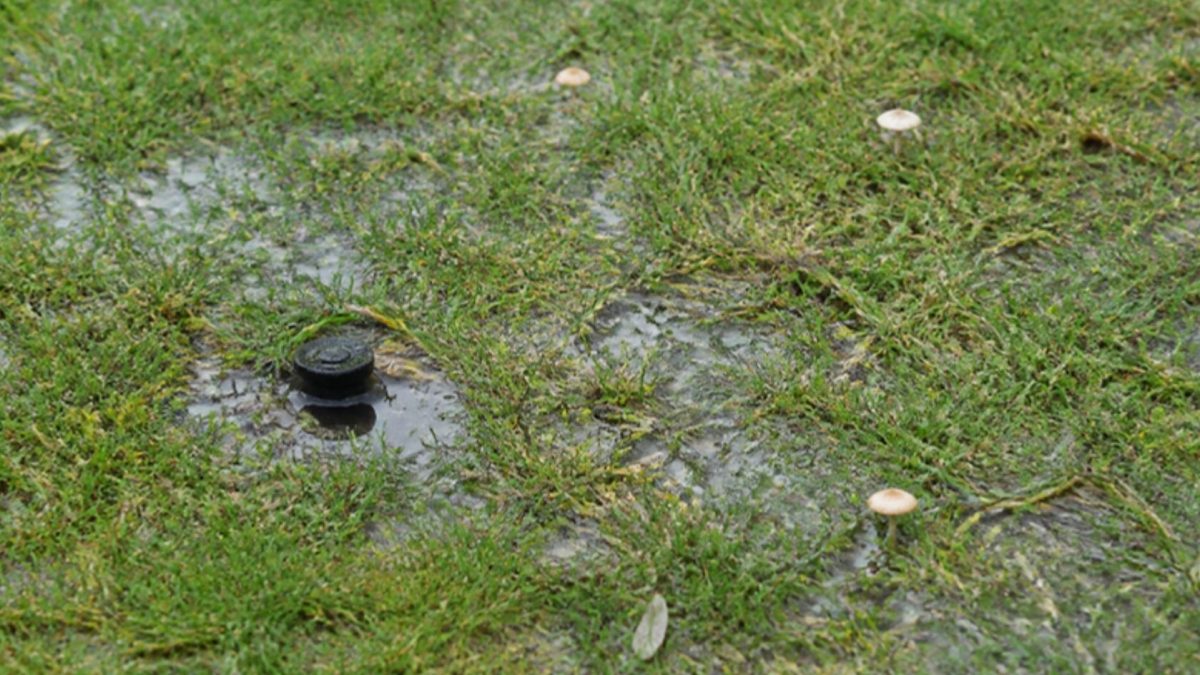
- UF/IFAS Extension lists shallow roots, more disease, weeds and insects, extra thatch and lower stress tolerance among the effects of overwatering.
- Soggy soil, dollarweed in low spots and recurring fungal disease are common signs in New Orleans lawns.
- Let the lawn tell you when to water: folded blades, a blue-gray cast and footprints that linger are signs it needs water.
- UF/IFAS recommends watering when 30 to 50 percent of the lawn shows wilt, unless rain is forecast within 24 hours.
- Water early in the morning, deeply and occasionally, and turn off the timer during rainy stretches.
- Signs your lawn is getting too much water
- What overwatering does to a lawn
- How to tell when the lawn actually needs water
- How much to water
- Why timing matters as much as amount
- How to fix an overwatered lawn
- Check the sprinkler system itself
- Different zones need different amounts
- Rain counts in New Orleans
- Frequently asked questions
The sprinkler timer was set when you moved in, and it’s been running every evening since. The lawn stays green, but there’s a soft, squishy feel underfoot, round weeds keep popping up in the low spots, and every fall the St. Augustine gets the same yellow rings. In a city that already gets plenty of rain, a lawn that’s watered on autopilot is often a lawn that’s getting too much.
At TurnKey Lawn Care, sorting out watering is one of the first things we look at on a struggling lawn across the metro. If you suspect your irrigation is doing more harm than good, request a free estimate and we’ll look at the lawn and the schedule together.
This guide covers the signs of overwatering, what too much water does to a warm-season lawn, how to tell when the grass actually needs water, and how to reset your routine.
Signs your lawn is getting too much water
An overwatered lawn often looks green and lush at first, which is why the problem goes unnoticed. The signs show up in the soil, the weeds and the diseases that follow:
- Soil that stays soft or squishy underfoot a day or more after watering
- Puddles or runoff while the sprinklers are still running
- Dollarweed spreading through low or frequently watered areas
- Yellow rings or patches in spring and fall that point to fungal disease
- A spongy thatch layer building up at the base of the grass
- Roots that are short and shallow when you lift a small section
Dollarweed is one of the clearest clues. The LSU AgCenter describes it as a moisture-loving weed typically found in lawn areas with moist or wet soil. Our post on dollarweed in a wet lawn covers it in detail.
What overwatering does to a lawn
A University of Florida extension guide, Let Your Lawn Tell You When To Water, lists the problems overwatering causes: a shallow root system, more disease, weed and insect problems, reduced drought tolerance, more thatch and excessive growth, and reduced tolerance of other stresses such as shade and soil problems. Each of those makes the lawn more work and less resilient. Excessive growth means more mowing, extra thatch means a spongier lawn that harbors pests, and weaker shade tolerance means thin areas under trees get thinner. Shallow roots, in particular, mean the grass wilts faster during a dry spell, which often prompts even more watering and deepens the cycle.
Fungal disease in St. Augustine
St. Augustine is especially vulnerable. LSU lists late-afternoon irrigation among the factors that promote large patch, the disease many people call brown patch. It also says gray leaf spot develops during long periods of moisture on the leaf blades from rain, irrigation or dew.
Root rot
LSU names excessive irrigation among the stresses that bring out take-all root rot, a soilborne disease of St. Augustine. Our post on take-all root rot explains how it develops.
Weeds
Constantly damp soil favors moisture-loving weeds, especially dollarweed, while the grass itself is weakened by shallow rooting.
Want this handled instead of doing it yourself?
Send the details and we will price it. Free estimate, no obligation.
How to tell when the lawn actually needs water
The UF/IFAS guide recommends letting the lawn tell you when to water, rather than following a fixed schedule. It describes three signs of drought stress:
- Folded blades. Leaf blades fold or roll lengthwise as the plant loses water pressure, and the guide notes this is best seen on older leaves.
- A blue-gray color. Drought-stressed lawns take on a blue-gray cast rather than staying green.
- Lingering footprints. Footprints or tire tracks stay visible on a drought-stressed lawn long after they were made.
UF/IFAS recommends watering when 30 to 50 percent of the lawn shows signs of wilt, unless rain is forecast within the next 24 hours. Watering at that point, and not before, encourages roots to grow deeper. A quick test in New Orleans: walk across the lawn in the late afternoon. If your footprints spring back within a minute and the blades are flat and green, the lawn doesn’t need water yet. Check the sunniest parts of the yard first, such as strips beside the driveway and the south side of the house. They show wilt before the rest of the lawn, so they tell you when a watering is coming due.