End-of-Year Yard Cleanup in New Orleans: What to Do Before Louisiana's Mild Winter
- New Orleans fall lawn care follows a different calendar than the rest of the country. St. Augustine may stay semi-green well into December, and live oaks drop their leaves from December through February.
- Louisiana’s subtropical climate means true grass dormancy is partial and brief; your turf still needs attention through November and sometimes beyond.
- Live oak and magnolia leaf accumulation is one of the biggest fall and winter yard maintenance challenges unique to this region. Letting it sit causes turf damage.
- Fall is the right time to refresh flower beds, pull summer annuals, and prepare soil for cool-season color plants like pansies and snapdragons.
- Mulching before the first cold snap protects plant roots, suppresses winter weeds, and sets yards up for a stronger spring green-up starting in March.
- TurnKey Lawn Care serves the New Orleans metro (Metairie, Kenner, Gretna, Uptown, Garden District, Lakeview, and beyond) with full-service cleanup and seasonal yard care.
- Why Fall Lawn Care in New Orleans Is Different From Everywhere Else
- What Actually Goes Dormant in a Louisiana Winter (And What Does Not)
- What Lawn Care Should I Do in the Fall in New Orleans?
- Live Oak and Magnolia Leaf Removal: Why It Is Not Optional
- Preparing Flower Beds for Louisiana's Brief Cool Season
- Mulching Before Winter: Timing and Coverage for New Orleans Yards
- Frequently Asked Questions
Ready to hand off your end-of-year yard cleanup? TurnKey Lawn Care handles it start to finish. Call us at (504) 386-5468 to schedule your fall cleanup today.
Why Fall Lawn Care in New Orleans Is Different From Everywhere Else
Most lawn care advice on the internet is written for climates that go through a hard freeze every autumn. In those places, the yard shuts down, the grass browns out by October, and homeowners can more or less check out until spring. New Orleans does not work that way, and following advice written for Chicago or Atlanta will leave your yard worse off come March. Louisiana sits in a true subtropical climate zone, USDA Hardiness Zone 9a across much of the metro. Winters here run mild. Daytime highs in the 50s and 60s are the norm from December through February, with overnight lows occasionally dipping into the 30s but rarely staying there. Frost events happen, but they are short-lived. The ground does not freeze. That means your lawn, your trees, and your shrubs are all operating on a different biological clock than what most seasonal guides assume. The timing of yard work shifts accordingly. Fall cleanup in New Orleans is not about putting the lawn to bed. It is about managing a yard that never fully stops growing, clearing out what summer left behind, and making the right moves before the brief cool season arrives. Get the timing wrong in either direction and you will either stress your turf or miss the window to set it up for a strong March green-up. There is also the matter of what the local trees are doing. Live oaks (the species that defines the streetscapes of Uptown, the Garden District, Audubon, and dozens of other neighborhoods across the metro) do not drop their leaves in October the way northern maples and oaks do. They hold their leaves through fall, then drop and replace them in late winter, typically December through February. That means the leaf cleanup window for many New Orleans homeowners runs several months later than they might expect, and it happens just as the rest of the country’s lawns are dormant and forgotten.
What Actually Goes Dormant in a Louisiana Winter (And What Does Not)
Understanding dormancy in the New Orleans context matters because it directly affects when to mow, when to fertilize, and how aggressively to treat the lawn before cold sets in. St. Augustine grass is the dominant turf in the New Orleans metro. You see it across Metairie, Kenner, Mid-City, Lakeview, Gentilly, and most residential neighborhoods throughout the region. St. Augustine is a warm-season grass, which means it does slow its growth as temperatures drop. But “slow” is not the same as “stop.” In a typical New Orleans winter, St. Augustine may fade to a yellowish-green, thin slightly, and reduce its growth rate significantly, but it rarely goes fully brown and dormant the way northern cool-season grasses do. During mild winters, stretches of semi-active growth can persist well into December. Bermuda grass is sometimes present in sunnier, drier spots across the metro and the Northshore. It goes more fully dormant than St. Augustine when temperatures drop into the 40s at night consistently, turning a golden brown that is normal and not a sign of damage. It will bounce back in March. Centipede grass, found less commonly but present in some yards, also goes dormant in a relatively clean way. It browns out and stops growing until the ground warms again in spring. What does not go dormant: most of the trees and shrubs that define Louisiana landscapes. Southern magnolias are broadleaf evergreens. They keep their glossy, dark-green leaves all year and shed older leaves gradually rather than in one fall event. Crepe myrtles drop their leaves in fall and look bare through winter, but they are not evergreen threats to your turf. Live oaks, as noted above, are technically semi-deciduous. They hold leaves longer than true deciduous trees and drop in late winter rather than fall. Gardenias, camellias, and most native shrubs remain at least partially active. The practical takeaway: you cannot simply stop lawn maintenance in October and assume nothing needs attention until March. The yard is still producing leaf litter, still growing slowly, and still capable of developing problems (compaction, weed pressure, disease) if left unmanaged through the cooler months.
Want this handled instead of doing it yourself?
Send the details and we will price it. Free estimate, no obligation.
What Lawn Care Should I Do in the Fall in New Orleans?
Fall lawn maintenance here follows a practical checklist that accounts for the local climate and the specific turf and plant species common to the metro area. The sequence matters, and the timing is slightly later than what most national guides recommend.
Continue Mowing Through November
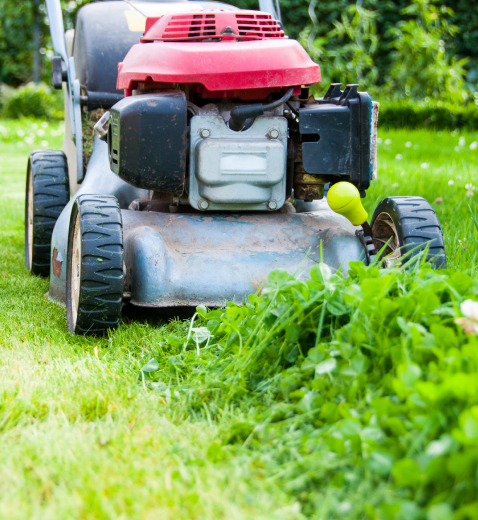
Because St. Augustine stays semi-active longer than northern grasses, mowing does not stop in October. Most homeowners in Lakeview, River Ridge, Harahan, and similar neighborhoods are still cutting through November. The mowing frequency will drop (every two to three weeks rather than weekly), but skipping it entirely will leave the lawn shaggy heading into the brief cool season, which creates problems with moisture, disease pressure, and spring cleanup. Raise the mowing height slightly for the last few cuts of the year. A slightly taller cut (around 3 to 3.5 inches for St. Augustine) helps protect the root zone during cold snaps and keeps the lawn looking tidy through December without stressing the turf.
Aerate Compacted Areas
The heavy clay soils common throughout the New Orleans metro compact easily, particularly in high-traffic areas. Fall, specifically October and early November, is a good window to aerate before the turf slows its growth too much. Aeration allows water and oxygen to reach the root zone more effectively, which matters especially in yards where summer storms and foot traffic have compressed the soil. Yards along the lakefront in Lakeview and Gentilly that deal with standing water regularly benefit from this step most.
Apply Pre-Emergent for Winter Weeds
Louisiana winters are warm enough to support active weed germination through the cool season. Annual bluegrass, chickweed, and henbit all germinate in fall and proliferate through winter if not addressed early. A pre-emergent herbicide application in October (before soil temperatures consistently drop below 70 degrees Fahrenheit) creates a barrier that limits winter weed establishment significantly. Skipping this step often means a more labor-intensive weed control program in February and March.
Final Fertilizer Timing
Stop fertilizing St. Augustine six to eight weeks before the first expected cold weather, typically by late September or early October at the latest in the New Orleans area. Fertilizing too late in the season encourages tender new growth that is vulnerable to cold damage. Letting the turf harden off naturally before winter sets it up for a healthier spring green-up. Leaf cleanup, bed prep, mulching, hauling. Let TurnKey handle the full fall checklist. See our services or call (504) 386-5468 to get on the schedule.
Live Oak and Magnolia Leaf Removal: Why It Is Not Optional
This is the yard maintenance issue that catches New Orleans homeowners off guard most often, especially those who moved here from other parts of the country. The expectation is that leaves fall in October and November, you rake once or twice, and that is the end of it. Live oaks have different plans. Southern live oaks (the sprawling, canopy-heavy trees that line Esplanade Avenue, St. Charles Avenue, Napoleon Avenue, and dozens of other streets across Uptown, the Garden District, Mid-City, and Metairie) hold their leaves through fall and into winter. The old leaves drop in late winter, typically January through March, right as new growth is pushing in. The result is a sustained period of heavy leaf accumulation at precisely the time when most homeowners assume yard work is finished for the season. Letting live oak leaves accumulate on St. Augustine turf for weeks at a time causes real problems. The dense, leathery leaves (different in structure from the thin, papery leaves of maples or elms) mat down when wet. Louisiana winters bring regular rain, and once those leaves are saturated and layered, they block sunlight from the grass below, trap moisture against the turf, and create conditions favorable for fungal disease. A month of neglect under a live oak canopy can set a lawn back significantly. The magnolia situation is different but also continuous. Southern magnolias shed older leaves year-round. The large, stiff, waxy leaves drop consistently rather than in a single fall flush. The underside of a magnolia leaf has a distinctive rust-brown coating that decomposes slowly, and the leaves do not break down quickly if left on turf. Consistent removal throughout fall and winter is part of maintaining any yard with a significant magnolia presence.
What Removal Looks Like
Live oak and magnolia leaf cleanup is typically not a single-visit job. It requires multiple passes through December, January, and February, which is exactly when many homeowners assume the yard does not need attention. Hauling is often part of the equation because the volume of material from a single mature live oak can be substantial. Blowing leaves to the curb for city collection works in some neighborhoods; others require bagging and haul-away. Either way, the work is real and recurring. For properties in Bywater, Treme, and the older Uptown blocks where mature live oaks overhang multiple adjacent properties, coordinating cleanup with neighbors or scheduling recurring service through the winter months is often the most practical approach.
Preparing Flower Beds for Louisiana's Brief Cool Season
Fall is actually one of the better planting seasons in New Orleans, a fact that surprises people accustomed to thinking of fall as the end of gardening rather than a beginning. Temperatures in the 50s and 60s (comfortable for people and plants alike) allow cool-season annuals to establish well and provide color through winter and into early spring.
Clearing Summer Annuals
The first step is removing what summer left behind. Pentas, vinca, lantana, and other warm-season annuals will have finished their productive cycle by October in most years. Pulling them out, removing spent stems, and clearing out the soil before they become a mess of brown, decomposing material gives the beds a clean start. This is also the time to address any weeds that got established through the summer months, pulling them before they set seed for the winter reduces the maintenance load considerably in the coming months.
Soil Amendment and Prep
Louisiana’s native soils are heavy with clay in many neighborhoods and high in organic content in others, but either way, adding compost to flower bed soil in fall improves its structure for winter planting. Tilling in two to three inches of compost before planting cool-season annuals gives roots a better environment to establish and helps drainage, always a relevant concern in a city that sits below sea level in parts and where even a moderate rain event can overwhelm soils that are already saturated.
Cool-Season Planting Window
Pansies, snapdragons, dianthus, ornamental kale, and alyssum all perform well through a New Orleans winter. The planting window opens in October and extends through November for most of these species. Set out transplants rather than starting from seed for the best results. The cool season here is brief enough that transplants reach peak bloom faster than seedlings would. Expect color through February or early March, when rising temperatures signal the end of the cool-season window and the return of warm-season planting.
Mulching Before Winter: Timing and Coverage for New Orleans Yards
A fresh layer of mulch applied before the first sustained cold weather of the season does several things at once: it insulates plant roots against temperature swings, suppresses winter weed germination, retains soil moisture, and gives beds a clean, finished appearance through the slower months. In a climate where winters are mild but not absent, the insulation value is real but modest; the weed suppression and moisture retention benefits are often more immediately impactful.
When to Mulch
The timing sweet spot in the New Orleans area is October through mid-November. Mulching too early in the year keeps soil warmer and can extend the active season for certain pests. Mulching after the first significant cold snap of winter is fine too, but getting it down before that point gives roots the most consistent protection and allows the mulch to settle before the rainy winter months arrive.
Depth and Coverage
Two to three inches is the standard recommendation for most ornamental beds. Going deeper than three or four inches traps too much moisture against plant crowns and can cause rot, especially in the humid Louisiana climate. Keep mulch pulled back from the base of shrubs, tree trunks, and the crowns of perennials. Direct contact traps moisture and can cause disease or pest pressure at vulnerable points. For properties with mature live oaks or large magnolias, mulching the drip zone (the area under the canopy from the trunk outward to where the branches end) protects surface roots and reduces compaction from foot traffic. The root systems of mature live oaks are extensive and often run close to the surface, particularly in the older residential neighborhoods of Uptown, the Garden District, and Carrollton.
Mulch Material Choices
Hardwood mulch, pine bark, and cypress mulch are all common in southeast Louisiana. Cypress mulch has historically been popular regionally but sourcing from old-growth cypress is a conservation concern; recycled-content alternatives or pine bark perform similarly. Avoid dyed mulches near food gardens or in areas where runoff reaches storm drains. Whatever the material, fresh mulch applied in fall smells clean, looks sharp, and sets the yard up visually for the months ahead. TurnKey Lawn Care handles mulch delivery and installation as part of our seasonal cleanup services. No need to haul bags or rent equipment. We serve the full metro area, including Metairie, Kenner, Gretna, LaPlace, Hammond, Slidell, Mandeville, Madisonville, St. Rose, and Harahan alongside the city proper. Visit our services page for the full list of what we offer.
Frequently Asked Questions
What lawn care should I do in the fall in New Orleans?
Fall lawn care in New Orleans includes continuing to mow through November, applying pre-emergent herbicide in October before soil temperatures drop, aerating compacted areas, stopping fertilizer applications by late September or early October, clearing summer annuals from flower beds, and preparing to manage live oak leaf drop from December onward. Because St. Augustine grass stays semi-active in Louisiana’s mild climate, the fall lawn care calendar runs later and longer than in most other parts of the country.
Does grass go dormant in New Orleans?
St. Augustine grass (the most common turf in the New Orleans metro) goes partially semi-dormant in winter but rarely goes fully brown or stops all growth the way northern grasses do. During mild winters, it may stay greenish and continue slow growth well into December. Bermuda grass, if present, goes more fully dormant and turns golden brown as temperatures drop into the 40s consistently at night. Both grasses resume active growth in late February or March as temperatures climb.
When should I stop mowing my lawn in Louisiana?
Most homeowners in the New Orleans area can stop or significantly reduce mowing in December, though in warm winters that window may stretch into mid-December or beyond. Because St. Augustine stays semi-active through Louisiana’s mild fall and early winter, mowing through November at a reduced frequency (every two to three weeks) is appropriate for most yards. There is no hard calendar date; the better signal is when grass growth visibly stops or slows to the point where cutting would scalp the turf.
Should I fertilize my New Orleans lawn in the fall?
Stop fertilizing St. Augustine and other warm-season grasses six to eight weeks before the first expected cold weather, which generally means ending fertilizer applications by late September or early October in the New Orleans area. Late fertilization pushes tender new growth that is vulnerable to cold damage when temperatures drop. Letting the turf harden naturally through October and November gives it better cold tolerance and sets it up for a stronger spring green-up starting in March.
When does lawn care start again in spring in New Orleans?
Active lawn care in New Orleans typically resumes in March, when temperatures consistently reach the mid-60s and St. Augustine begins greening up and growing again. This is also the window for the first spring fertilizer application, pre-emergent herbicide for summer weeds, and any overseeding or bare-patch repairs. The season moves faster here than in most of the country. By April, many lawns in Metairie, Kenner, and across the city proper are back on a full weekly or bi-weekly mowing schedule.
Get Your New Orleans Yard Ready Before Winter
Fall is short in Louisiana, and the window to get your yard in the right shape before the cool season closes faster than most homeowners expect. TurnKey Lawn Care handles the full checklist (leaf cleanup, bed prep, mulching, hauling, and everything in between) for properties across New Orleans, Metairie, Kenner, Gretna, Harahan, River Ridge, LaPlace, Slidell, Hammond, Mandeville, Madisonville, and St. Rose. Stop managing the season yourself. Call TurnKey Lawn Care at (504) 386-5468 or visit turnkeylawncare.com to schedule your end-of-year yard cleanup, handled start to finish.
- Free estimate, price agreed before any work
- Licensed, bonded and insured
- One company for mowing through to outdoor builds
- Serving the Greater New Orleans metro