
How to Kill Weeds in Flower Beds Without Hurting the Plants
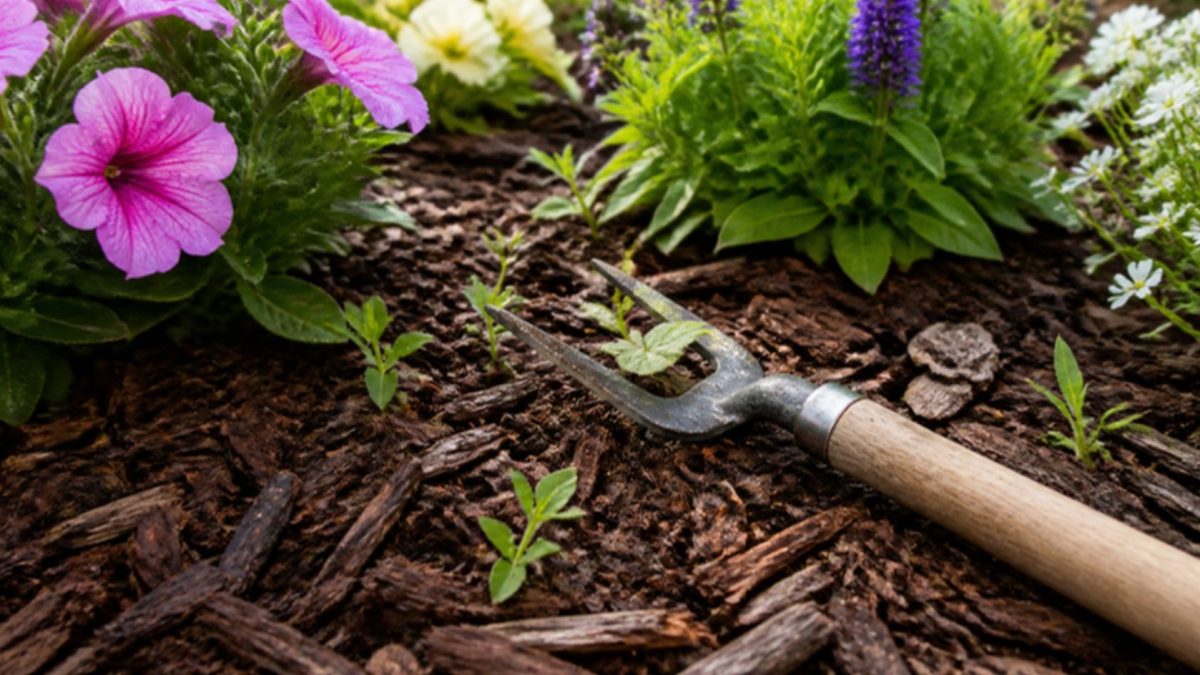
- Mulch is the foundation of bed weed control. Clemson Extension says a 2- to 4-inch layer prevents weed emergence and growth.
- Pull weeds before they flower and set seed, and scrape with a hoe rather than digging, which brings buried seeds to the surface.
- LSU AgCenter recommends pre-emergents around mid-February for warm-season weeds and the second half of September for cool-season weeds.
- Grass-selective herbicides can control grassy weeds around and over many non-grass ornamentals, but sedges need different products.
- Nonselective herbicides damage any plant they touch, so spray only the weed and shield nearby plants.
- Start with prevention
- Why weeds are harder to control in beds
- Pull weeds the right way
- Use pre-emergents to stop the next wave
- Identify the weed before you spray
- Selective herbicides for grasses and sedges
- Nonselective herbicides: spot treatment only
- What about landscape fabric
- A year-round routine for Louisiana beds
- Frequently asked questions
Weeds in a lawn can be sprayed across the whole area with a product made for that grass. Weeds in a flower bed are harder. They’re growing right up against azaleas, roses and bedding plants, and the wrong spray can damage the plants you’re trying to protect.
At TurnKey Lawn Care, bed maintenance is part of the landscaping work we do across the metro. If your beds have gotten away from you, request a free estimate and the price is agreed before any work starts.
This guide covers the layered approach extension specialists recommend: preventing weeds with mulch and pre-emergents, removing them by hand, and using the right herbicide carefully when you need one.
Start with prevention
Preventing weeds takes less work than removing them. In an LSU AgCenter article on landscape bed weed management, Mary Ferguson explains that mulch blocks the light many weed seeds need to germinate and grow. Clemson Extension’s guide to controlling weeds in landscaped beds says a 2- to 4-inch layer prevents weed emergence and growth. It recommends using weed-free mulch and applying it before the main germination periods in early spring, midsummer and fall. Keep mulch off the plants themselves. Ferguson advises against placing mulch right up against plants or piling it against tree trunks, and notes natural mulch decomposes, so it usually needs refreshing each year. Our guide on how deep mulch should be covers depth by plant type.
Why weeds are harder to control in beds
A lawn is one kind of plant, so a product can be chosen to suit that grass. A bed is different. In a UF/IFAS Extension guide to improving weed control in landscape planting beds, Chris Marble and Andrew Koeser note that most beds hold a mix of trees, shrubs and bedding plants, which makes choosing herbicides difficult. A product that’s safe on one shrub may injure the flowers planted next to it. That’s why the safest bed weed control leans on mulch and hand work first, and uses herbicides only where the label clearly covers the plants in that bed.
Start new beds clean
The UF/IFAS guide says the best time to control existing weeds in an ornamental bed is before anything has been planted. Clearing a new bed thoroughly, including any perennial weeds and grass, saves years of fighting them around established plants. New plants can bring weeds with them. Marble and Koeser note container-grown plants may carry weeds, and recommend checking the surface of the potting mix and removing any small weeds before planting.
Mulch type matters too
The UF/IFAS guide recommends 2 to 3 inches of organic mulch such as pine bark or pine straw. It also notes weed control improves as particle size increases, because larger mulch pieces block more light and dry out faster at the surface.
Want this handled instead of doing it yourself?
Send the details and we will price it. Free estimate, no obligation.
Pull weeds the right way
Hand pulling is the safest method in a bed full of ornamentals, and timing makes it far more effective. Both LSU and Clemson stress removing weeds before they flower and produce seed, which cuts down next season’s weeds. Ferguson also points out that a hoe is a tool for scraping, not digging. Turning the soil brings buried weed seeds up to the surface, where they can sprout. Some practical habits that make hand weeding easier:
- Weed after a rain or watering, when roots slide out of moist soil more easily
- Grip the weed at the base and pull slowly to get as much root as possible
- Scrape small seedlings with a hoe at the soil surface rather than chopping into the soil
- Pull weeds before mulching, as Clemson recommends, so the new layer starts clean
- Bag weeds that have already flowered so their seeds don’t drop back into the bed
Use pre-emergents to stop the next wave
Pre-emergent herbicides work differently from weed killers. Ferguson explains that they prevent weed seeds from germinating rather than killing weeds that are already there. That