Bermuda Grass Care and Maintenance in Louisiana
Bermuda is a warm-season grass that spreads aggressively by both above-ground runners (stolons) and underground stems (rhizomes). That dual spreading is why it fills in bare spots so fast and shrugs o
- Why Bermuda works in our climate
- Mowing Bermuda: lower and more often
- Watering and feeding for a thick Bermuda lawn
- Thatch and weeds: Bermuda's maintenance tax
- Signs your Bermuda needs attention
- A year-round Bermuda care routine
- Bermuda and our heavy soil
- Common Bermuda mistakes to avoid
- When to bring in a professional
- Frequently asked questions
Bermuda grass is the workhorse of sunny Gulf Coast lawns. If you have a wide-open yard in the New Orleans metro that bakes in full sun all day, there is a strong chance you are working with Bermuda. It is tough, it loves heat, it recovers fast from foot traffic, and when it is dialed in, it makes one of the most beautiful, golf-course-style lawns you can grow here. That is the upside.
The downside is that Bermuda is demanding. It is a sun-hungry, fast-growing grass that needs frequent mowing, regular feeding, and a watchful eye to look its best. Neglect it and it gets stemmy, weedy, and thatchy quickly. Plant it in shade and it thins out and surrenders to weeds. Most homeowners who are frustrated with Bermuda are simply not keeping up with how much it wants to grow in our long, hot season.
This guide covers what Bermuda actually needs in our climate so you can keep it thick and green. If the upkeep sounds like more than you want to take on, TurnKey Lawn Care provides full lawn maintenance and mowing across the New Orleans metro, and Bermuda is one of the grasses we manage most.
Why Bermuda works in our climate
Bermuda is a warm-season grass that spreads aggressively by both above-ground runners (stolons) and underground stems (rhizomes). That dual spreading is why it fills in bare spots so fast and shrugs off heavy use. Kids, dogs, and weekend gatherings barely faze it. It is built for our summer. Bermuda thrives in full, blazing sun and high heat, the exact conditions that stress other grasses. It also handles our drought spells better than most, since its deep roots can pull moisture from lower in the soil. For a sunny New Orleans yard, few grasses give you a denser, more durable lawn. But that aggressiveness cuts both ways. Bermuda grows fast, which means it needs frequent mowing or it turns into a stemmy mess. And it has almost no shade tolerance. In the dappled light under our live oaks, Bermuda gives up and St. Augustine takes over. Knowing which grass belongs where is the foundation of a good lawn, and our guide on year-round lawn maintenance ties it all together.
Mowing Bermuda: lower and more often
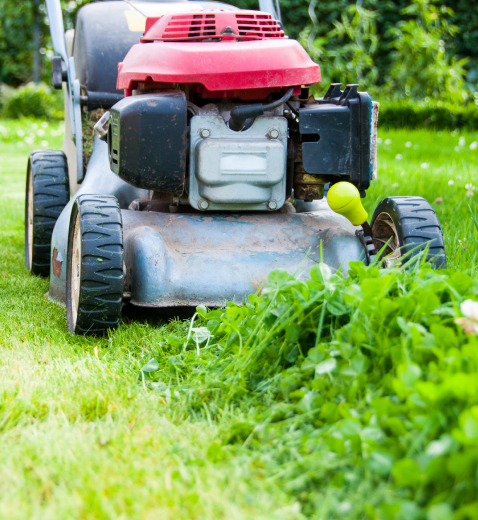
This is the biggest difference between caring for Bermuda and caring for St. Augustine. Bermuda is meant to be cut low. It is one of the few warm-season grasses that actually looks better short. Keep Bermuda between 1 and 2 inches tall for a standard home lawn. Cut at the higher end (closer to 2 inches) if your yard gets any light shade or heavy use, and lower (around 1 inch) for that crisp, manicured look on a flat, full-sun lawn. For a side-by-side on every common grass here, see our Gulf Coast mowing height guide. Because Bermuda grows so fast in summer, low mowing means mowing often. In peak season that usually means every five to seven days. If you let it shoot up and then scalp it back down, you expose brown stems and stress the lawn. Keep these rules in mind:
- Never remove more than one third of the blade in a single mow. With fast-growing Bermuda, that is exactly why frequent cutting matters.
- Keep your blade sharp. Bermuda has tough stems, and a dull blade shreds them, leaving a brown, frayed cast over the whole lawn.
- A reel mower gives the cleanest low cut, but a sharp rotary mower works fine for most home lawns.
- Mow when the grass is dry to get an even cut and protect against disease.
If you are deciding between a weekly and a less frequent schedule, Bermuda almost always pushes you toward weekly in summer. Our weekly versus bi-weekly service guide explains why fast-growing grasses need the tighter schedule.
Not sure what your yard needs?
Send the details and we will tell you. Free estimate, price agreed before any work.
Watering and feeding for a thick Bermuda lawn
Bermuda is more drought tolerant than our other grasses, but it still looks best with consistent moisture. Aim for about one inch of water per week, including rain, delivered in deep, infrequent soakings rather than daily sprinkles. Deep watering drives the roots down, which is exactly what makes Bermuda so resilient. Our clay soil and high water table mean you should water by observation, not on autopilot. After a good rain, hold off. Overwatering Bermuda invites disease and encourages shallow roots. Water in the early morning so the blades dry through the day. Feeding is where Bermuda separates from the lower-maintenance grasses. As a fast grower, it is a heavy feeder. A thin, pale Bermuda lawn is very often an underfed one. A program of balanced fertilizer through the growing season keeps the color deep and the growth dense enough to crowd out weeds. Do not push heavy nitrogen in the brutal peak of summer or late into fall, though, since that can stress the grass or push tender growth right before dormancy.
Thatch and weeds: Bermuda's maintenance tax
Two issues come with the territory on a Bermuda lawn. The first is thatch. All those runners and rhizomes build up a layer of dead and living stems between the green grass and the soil. A little thatch is fine. Too much blocks water, air, and nutrients and gives pests a place to hide. Bermuda is more prone to thatch buildup than most grasses, so it benefits from periodic dethatching and aeration to stay healthy in our heavy soil. The second is weeds. Bermuda goes dormant and turns tan in winter, and dormant turf is exactly when cool-season weeds move in. A strong feeding and mowing program keeps the lawn dense enough to resist weeds during the growing season, and timed weed control closes the gap. Our guide on weed control for New Orleans lawns covers the timing and approach.
Signs your Bermuda needs attention
Bermuda tells you when something is off. Watch for these:
- Stemmy, brown cast after mowing. Usually a sign you let it get too tall and then cut too much at once, exposing the lower stems. The fix is more frequent mowing at a steady height.
- Thinning or bare spots in shade. Bermuda will not hold under trees. This is a grass-selection issue, not a care issue.
- Pale, slow, thin turf in summer. Often underfeeding. Bermuda is hungry during peak growth.
- Spongy feel underfoot. A sign of thatch buildup that needs to be addressed.
- Weeds taking over in winter and early spring. Dormant Bermuda is vulnerable, so the lawn needs a dense stand and a weed plan.
If your grass browns immediately after each cut, the cause is often mowing rather than disease. See why grass turns brown after mowing to tell them apart.
A year-round Bermuda care routine
Here is the seasonal rhythm that keeps Bermuda at its best in the New Orleans metro.
- Early spring (March to April). As the grass breaks dormancy and greens up, give it a clean first mow to remove dead winter top growth. This wakes the lawn and lets sun reach the crowns.
- Spring (April to May). Start frequent mowing at 1 to 2 inches. Begin the feeding program once the grass is fully green and actively growing. Address any thatch with dethatching or aeration.
- Summer (June to August). Mow every five to seven days at your chosen height. Water deeply only as needed. Keep the lawn fed for density and watch for any disease in wet stretches. This is Bermuda's prime, when it looks its absolute best.
- Fall (September to October). Keep mowing as growth slows. Ease off nitrogen as the season winds down. A light, balanced feeding helps the lawn store energy.
- Winter (November to February). Bermuda goes dormant and turns tan. This is normal, not dead. Mow only if needed, keep leaves and debris cleared, and stay ahead of cool-season weeds.
Consistency is everything with Bermuda. Because it grows so fast, a steady mowing and feeding schedule is what separates a showpiece lawn from a stemmy, weedy one. That steady discipline is exactly what a regular maintenance plan delivers.
Bermuda and our heavy soil
Bermuda is built for sun and heat, but our heavy clay soil and high water table still shape how you manage it here. Clay compacts easily, and compacted soil chokes off the deep root growth that makes Bermuda so resilient. That is why aeration is more than a luxury on a local Bermuda lawn. Pulling cores opens up the soil, lets air and water reach the roots, and helps the lawn handle both our wet stretches and our dry spells. Drainage is the other piece. Because clay holds water and our water table sits high, Bermuda roots can sit in soggy soil longer than is healthy after heavy rain. Bermuda tolerates this better than most grasses, but standing water still invites disease and weakens the stand. Watering by observation rather than on a timer, and making sure low spots drain, keeps Bermuda from sitting wet. When you pair good soil management with the tight mowing and feeding schedule Bermuda demands, you get the dense, deep-green lawn the grass is famous for, even in our challenging ground.
Common Bermuda mistakes to avoid
Most struggling Bermuda lawns we are called out to look at come down to a few repeat errors:
- Mowing too infrequently. Bermuda grows fast, and letting it shoot up then scalping it back exposes brown stems and stresses the lawn.
- Underfeeding. Bermuda is a heavy feeder. A pale, thin lawn in summer is very often a hungry one.
- Ignoring thatch. Bermuda's aggressive runners build thatch quickly, and skipping dethatching slowly chokes the lawn.
- Planting it in shade. Bermuda has almost no shade tolerance. Under trees, choose St. Augustine instead.
- Watering daily. Light daily watering builds shallow roots. Deep, infrequent soakings make Bermuda far tougher.
When to bring in a professional
Bermuda rewards attention and punishes neglect more than any other grass we manage here. The mowing frequency alone, every five to seven days through a long Gulf Coast summer, is more than many homeowners can keep up with. Add in feeding, thatch control, aeration, and weed timing, and Bermuda becomes a real commitment. At TurnKey Lawn Care, we keep your Bermuda on the tight schedule it needs, mow at the right height with sharp blades every visit, and time feeding and weed control to the season. We bring modern equipment, transparent and competitive pricing, no hidden charges, and a satisfaction guarantee. You get the showpiece lawn without spending your weekends behind a mower.
Frequently asked questions
How short should I cut Bermuda grass?
For a home lawn, keep Bermuda between 1 and 2 inches. It is one of the few grasses here that looks better cut low, but mow often so you never remove more than a third of the blade at once. See what happens if you cut grass too short.
Is Bermuda the best grass for New Orleans?
For full-sun yards, Bermuda is hard to beat. For shady, tree-covered lots, St. Augustine is the better choice. Compare them in our guide on the best grass type for New Orleans.
Why is my Bermuda turning brown in winter?
Bermuda naturally goes dormant and turns tan in cold weather. It is not dead, just resting, and it greens back up in spring. Brown showing up right after a cut in the growing season is different. See why lawns get brown patches.
How often should I mow Bermuda in summer?
Usually every five to seven days during peak growth, because Bermuda grows fast. Our how often to mow in Louisiana answer covers seasonal timing.
How do I keep Bermuda green all summer?
Mow on a tight schedule, feed it regularly since it is a heavy feeder, and water deeply as needed. See how to keep your lawn green in summer.
Next steps
A thick, deep-green Bermuda lawn is one of the best-looking yards you can grow in the New Orleans metro, and it comes down to staying on schedule. TurnKey Lawn Care is your friendly neighborhood lawn care partner, and we keep Bermuda lawns dialed in across the metro all season long. Call us today at (504) 386-5468 for a free estimate and a customized plan for your yard. Reliable, dependable service with transparent pricing, no hidden charges, and a satisfaction guarantee on every visit.
- Free estimate, price agreed before any work
- Licensed, bonded and insured
- One company for mowing through to outdoor builds
- Serving the Greater New Orleans metro