Mulching vs Bagging Grass Clippings
First, let us define the two options clearly. Mulching, sometimes called grasscycling, means cutting the grass into fine pieces and leaving those clippings on the lawn where they fall. A mulching mowe
Every time you mow, you face a small decision that has a bigger impact than most people realize: what to do with the clippings. Do you leave them on the lawn to break down, or bag them up and haul them away? It seems like a minor choice, but it affects how green your lawn looks, how much you fertilize, and how much waste you generate. Many New Orleans homeowners bag their clippings out of habit, assuming a clean-looking lawn means a healthy one, when in fact they may be throwing away free fertilizer.
The truth is that both mulching and bagging have their place, and the right choice depends on your grass, the season, and the condition of your lawn. In our hot, humid, fast-growing climate, getting this decision right can save you money and build a thicker lawn. At TurnKey Lawn Care, we make the call on every visit based on what your specific lawn needs that day. This guide explains the difference between mulching and bagging, the pros and cons of each, and how to know which one is right for your yard.
What Mulching and Bagging Actually Mean
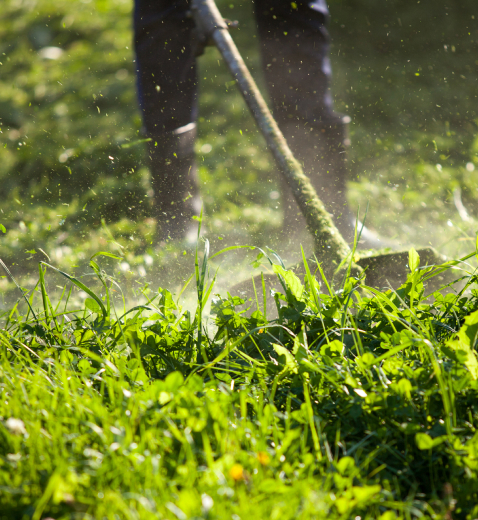
First, let us define the two options clearly. Mulching, sometimes called grasscycling, means cutting the grass into fine pieces and leaving those clippings on the lawn where they fall. A mulching mower chops the clippings small enough that they settle down between the blades, decompose quickly, and return their nutrients to the soil. The clippings basically disappear within a day or two. Bagging means collecting the clippings in a bag or catcher as you mow, then removing them from the lawn entirely. The clippings get hauled away, composted, or thrown out. The lawn is left completely clear of debris after the cut. Both are standard parts of professional mowing, and the choice between them is one we make thoughtfully as part of our lawn maintenance and mowing services. Neither is right all the time. The skill is knowing when to use each one.
The Case for Mulching
For most healthy New Orleans lawns, mulching is the better default. Here is why. It feeds your lawn for free. Grass clippings are roughly 80 percent water and rich in nitrogen, the same nutrient in most lawn fertilizers. When clippings decompose on the lawn, they return that nitrogen straight to the soil. Studies and experience both show that regular mulching can supply a meaningful share of a lawn's nitrogen needs over a season. That means a greener lawn with less fertilizer. It helps retain moisture. A thin layer of decomposing clippings shades the soil surface and slows evaporation. In our hot summers, that extra moisture retention helps the lawn ride out dry spells, which works alongside the moisture protection you get from proper mowing height. It reduces waste. Bagging generates an enormous amount of yard waste. Grass clippings make up a large slice of what fills local waste streams in the warm months. Mulching keeps all of that on your lawn and out of the trash. It saves time and effort. No stopping to empty bags, no piles of clippings to haul. The mowing job goes faster. A common myth is that leaving clippings causes thatch, the spongy layer of dead material that can build up at the soil surface. In reality, grass clippings are mostly water and break down too quickly to contribute to thatch. Thatch comes from roots, runners, and stems, not from properly mulched clippings.
Not sure what your yard needs?
Send the details and we will tell you. Free estimate, price agreed before any work.
The Case for Bagging
Mulching is the default, but there are real situations where bagging is the smarter move. We bag when: The grass is too tall or overgrown. If a lawn has gotten away from its schedule and the grass is very tall, mulching leaves heavy clumps that smother the lawn underneath. In that case, bagging keeps the surface clean while you get the lawn back on track. This is one more reason to stay on a consistent mowing schedule. The lawn is wet. After our frequent summer rains, wet clippings clump together rather than scattering evenly. Wet, matted clippings can block sunlight and air from the lawn. When the grass is damp, bagging often gives a cleaner result. There is disease or heavy weed seed. If a lawn is fighting a fungal disease or is full of weeds going to seed, mulching can spread the problem across the yard. Bagging removes the diseased material and weed seeds instead of redistributing them, which supports the goals of good weed control. You want a pristine, manicured look. For special events or homeowners who want a flawless, debris-free finish, bagging delivers that clean look immediately.
Mulching vs Bagging: A Quick Comparison
Here is the decision at a glance.
- Lawn health: Mulching wins for routine mowing of healthy grass. Bagging wins when grass is overgrown, wet, or diseased.
- Fertilizer savings: Mulching returns free nitrogen. Bagging removes it.
- Moisture retention: Mulching helps. Bagging offers no moisture benefit.
- Cleanliness: Bagging gives an instantly clear lawn. Mulching disappears within a day or two on a properly cut lawn.
- Waste: Mulching produces almost none. Bagging creates yard waste to dispose of.
- Speed: Mulching is faster. Bagging takes more time and effort.
Signs You Are Making the Wrong Choice
Your lawn will show you when the clipping strategy is off.
- Clumps and rows of cut grass sitting on the lawn. A sign you are mulching grass that is too tall or too wet. Those clumps smother the lawn and should be bagged or raked.
- A pale, hungry-looking lawn that needs constant fertilizer. If you bag every time, you may be hauling away nitrogen your lawn could be using. Mulching during routine cuts can help.
- Spreading brown patches. If a disease is present, mulching can carry it across the yard. Bagging is the safer call until the issue clears. Persistent brown patches have several causes, which we cover separately.
- A matted, suffocated look after mowing in damp conditions. Wet clippings left on the lawn block light and air. Bag when the grass is wet.
How We Decide on Every Visit
We do not pick one method and stick to it no matter what. On each visit, our crew reads the lawn and chooses the right approach for that day.
- Step 1: Check the grass height
If the lawn is at a normal height and within the one-third rule, mulching is usually the call. If it is overgrown, we lean toward bagging to avoid clumping.
- Step 2: Check moisture
We assess whether the grass is wet from rain or irrigation. Wet conditions often push us toward bagging for a cleaner result.
- Step 3: Inspect lawn health
We look for signs of disease or heavy weed seed. If we spot a problem, we bag to avoid spreading it across the yard.
- Step 4: Consider your preference
Some homeowners simply prefer a bagged, pristine look, and we are happy to bag every time if that is what you want. We build your preference into your plan.
- Step 5: Mow and finish accordingly
We mow with the chosen method, and if we bag, we haul the clippings away so you never deal with the waste. That kind of judgment is the difference between a crew that just runs a mower and a team that actually cares for your lawn. It is the same attention to detail that goes into deciding what is included in your full maintenance plan.
Frequently Asked Questions
Should I bag or mulch my grass clippings?
For routine mowing of a healthy lawn, mulching is usually best because it feeds the soil for free. Bag when the grass is overgrown, wet, or diseased. See the full answer in whether you should bag or mulch grass clippings.
Why does my lawn have brown patches?
Brown patches can come from disease, scalping, drought, or pests. If disease is the cause, bagging clippings helps stop the spread. Learn more in why your lawn has brown patches.
Can you mow wet grass after it rains?
Wet grass can be mowed, but it clumps and is often better bagged. We explain the tradeoffs in whether you can mow wet grass after rain.
How do I keep my lawn green in summer?
Mulching clippings is one of several ways to support a green summer lawn, along with proper height and watering. See our tips in how to keep your lawn green in summer.
Why is consistent mowing important for lawn health?
Staying on schedule keeps grass at a mulchable height and prevents the clumping that forces bagging. Read more in why consistent mowing is important for lawn health.
Next Steps
Mulching or bagging is one of those small decisions that adds up over a season, and you do not have to make the call yourself. TurnKey Lawn Care reads your lawn on every visit and chooses the method that keeps it healthiest, whether that means feeding the soil with mulched clippings or hauling away a bagged load to keep things clean. We are your friendly neighborhood lawn care partner across the New Orleans metro, with 5-star Google and Facebook ratings, modern equipment, eco-friendly options, and a satisfaction guarantee. Call us today at (504) 386-5468 for a free estimate and a plan tailored to your lawn. No hidden charges, just reliable care that treats your grass right.
- Free estimate, price agreed before any work
- Licensed, bonded and insured
- One company for mowing through to outdoor builds
- Serving the Greater New Orleans metro