Spring Lawn Care Checklist for New Orleans
New Orleans does not really get a true winter. Our lawns go semi-dormant rather than fully dormant, and the warm-season grasses that dominate yards here, St. Augustine, Zoysia, Bermuda, and Centipede,
Every spring, New Orleans homeowners look out at a lawn that spent the winter looking flat, patchy, and tired. The grass is half-brown, weeds are already creeping in along the fence line, and the first warm weekend has you wondering where to even start. You are not behind, and your lawn is not ruined. You just need the right steps in the right order, timed for the Gulf Coast and not for some generic calendar written for a yard in Ohio.
Spring is the single most important season for your lawn here. What you do between late February and May sets up how green, thick, and weed-free your grass will be all the way through our brutal summer. Skip the early steps and you spend the rest of the year fighting problems. Get them right and your lawn practically takes care of itself. This checklist walks through exactly what your New Orleans lawn needs, in order, and when each task should happen.
If you want a partner who handles all of this for you, our seasonal lawn care program covers spring through winter on a schedule built for our climate.
Why Spring Timing Is Different on the Gulf Coast
New Orleans does not really get a true winter. Our lawns go semi-dormant rather than fully dormant, and the warm-season grasses that dominate yards here, St. Augustine, Zoysia, Bermuda, and Centipede, start waking up much earlier than grass up north. By late February you can already see new growth pushing through. That early green-up changes everything about your timing. Apply the wrong product too early and you can burn tender new growth or waste money on fertilizer the roots cannot yet use. Wait too long and weeds get a head start you will never fully recover from. Our high water table and heavy clay soil add another wrinkle. Water sits near the surface, soil stays cool and soggy longer than the air feels, and that affects when roots are ready to feed. This is the core reason a New Orleans spring routine looks different from anywhere else. Our seasonal lawn care approach builds the calendar around local soil temperature and grass type, not a one-size-fits-all template.
The New Orleans Spring Lawn Care Checklist
1. Clean Up and Assess (Late February)
Start by clearing away winter debris. Rake out dead grass, fallen leaves, twigs from winter storms, and any matted spots. This lets sunlight and air reach the soil so your grass can wake up evenly. While you are out there, walk the whole yard and take notes. Look for bare patches, signs of grub damage from last year, low spots where water pools, and areas where weeds are already showing. This assessment is your roadmap. It tells you which areas need extra attention before the growing season hits full speed.
2. Apply Pre-Emergent Weed Control (Late February to Early March)
This is the most time-sensitive task on the entire list. Pre-emergent stops weed seeds from sprouting, but it only works before they germinate. In our climate, crabgrass and other warm-season weeds start germinating when soil temperatures hit around 55 degrees, which usually happens in late February or early March here, far earlier than in cooler regions. Miss this window and you spend the summer pulling and spraying weeds that you could have stopped for pennies. Timing is everything, and it is easy to be a few weeks too late without realizing it. For the full breakdown of how this works, see our guide on pre-emergent weed control timing. If you want to know the exact science behind it, what pre-emergent weed control is explains it in plain terms.
3. Sharpen and Service Your Mower
Before the first real mow, sharpen the blade. A dull blade tears grass instead of cutting it cleanly, and torn grass tips turn brown and invite disease, which is a real problem in our humid air. Change the oil, check the air filter, and replace the spark plug if it has been a while. A well-tuned mower is one of the cheapest ways to protect lawn health all season.
4. First Mow, Set the Right Height
Once the grass is actively growing, give it a first mow but do not scalp it. Cutting too low stresses the lawn and exposes soil to weed seeds and sun. For St. Augustine, keep it around 3 to 4 inches. Zoysia and Bermuda can go lower, but never remove more than one third of the blade in a single pass.
5. Test Your Soil and Balance pH (Early Spring)
Our region's soil chemistry is all over the map, and the wrong pH locks up nutrients no matter how much fertilizer you apply. A simple soil test tells you exactly what your lawn needs before you spend a dollar on product. Spring is the ideal time to test and correct. Learn the why and how in our guide to soil testing and pH balancing.
6. Apply Spring Fertilizer (After Green-Up, Usually Early to Mid-April)
Here is where homeowners rush. Do not fertilize until your grass has greened up and is actively growing, usually early to mid-April once soil has warmed. Feeding too early sends nutrients to weeds and shallow roots instead of your grass. The right spring feeding builds the deep, strong root system your lawn needs to survive summer heat and drought. We map out the full year in our lawn fertilization schedule.
7. Check Irrigation and Set a Watering Plan
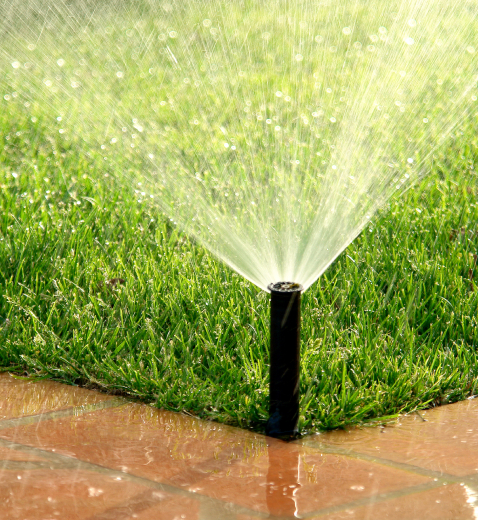
As temperatures climb, your lawn's water needs change fast. Inspect your sprinklers or hose setup for clogs and dry zones. Spring is the time to set a deep, infrequent watering rhythm that trains roots to grow down, not sideways.
8. Knock Out Early Weeds and Spot-Treat Bare Areas (Mid to Late Spring)
Even with pre-emergent down, a few weeds slip through, and any you missed earlier will be in full view by April. Spot-treat broadleaf weeds with a post-emergent product while they are young and easy to kill, before they flower and reseed. This is also the moment to address bare spots you flagged during your assessment. On Bermuda and Centipede lawns, lightly seed thin areas now that soil has warmed. On St. Augustine, the most common grass in New Orleans yards, repair usually means plugging rather than seeding, since it spreads by runners instead of seed.
9. Plan for the Heat Ahead
Spring is short on the Gulf Coast, and summer arrives hard and fast. The deep root system you build now is what carries your lawn through July and August. That is why proper spring watering and feeding matter so much: a shallow-rooted lawn that looked fine in April can collapse the first brutal week of summer. Think of every spring task as an investment in summer survival, not just a way to make the yard look good for now.
Not sure what your yard needs?
Send the details and we will tell you. Free estimate, price agreed before any work.
Spring Lawn Care by Grass Type
New Orleans yards are not all the same grass, and the right spring routine shifts depending on what you are growing:
- St. Augustine. The dominant grass here. It loves our heat and humidity, spreads by runners, and prefers a higher mowing height of 3 to 4 inches. Repair thin spots with plugs, not seed.
- Bermuda. A tough, sun-loving grass that handles foot traffic well. It can be mowed lower and responds strongly to spring feeding and overseeding of thin spots.
- Zoysia. Dense and slow-growing. It greens up a little later than the others, so be patient before fertilizing and do not panic if it lags in early spring.
- Centipede. A low-maintenance grass that needs far less feeding. Overfeeding Centipede in spring can actually harm it, so go light.
Knowing your grass type changes your spring timing and product choices, which is the first thing we identify during a free assessment.
Signs Your Spring Lawn Needs Extra Help
Some lawns bounce back on their own. Others are sending signals that they need attention beyond the basic checklist. Watch for these:
- Slow or uneven green-up. If parts of the yard stay brown well into April while others green up, you may have a soil, drainage, or grub problem.
- Weeds outpacing the grass. Heavy early weed pressure usually means the pre-emergent window was missed or the lawn is too thin to crowd weeds out.
- Spongy, matted turf. A thick layer of dead material between grass and soil, called thatch, blocks water and air. This may call for dethatching.
- Standing water after rain. Pooling points to compacted soil that needs aeration so roots can breathe.
- Fungus spots or discoloration. Our humidity makes lawn disease common. Early spots are easier to treat than full outbreaks.
If you see two or more of these, your lawn likely needs a targeted plan rather than a generic routine.
Solutions and the TurnKey Process
A spring checklist only works when each step happens at the right moment, and that is hard to juggle when you are also working, raising a family, and dealing with our unpredictable spring weather. This is where having a dependable partner pays off. When you start with TurnKey, here is how we approach your spring lawn:
- Free on-site assessment. We walk your property, identify your grass type, check soil and drainage, and note problem areas. No charge, no pressure.
- Customized spring plan. We build a schedule around your specific lawn, not a template, with the right products applied at the right local timing.
- Pre-emergent at the correct window. We track soil temperature so your pre-emergent goes down before weeds germinate, not after.
- Targeted feeding and treatment. We fertilize after green-up, correct pH if your soil test calls for it, and address any disease, grubs, or thin spots we found.
- Ongoing care. Spring rolls into our full seasonal program so your lawn stays strong through summer and beyond.
We use modern equipment, offer eco-friendly product options, and back our work with a satisfaction guarantee and no hidden charges. You get transparent, fair pricing and a lawn that looks great without you spending every weekend on it. For the season that follows, our guide to summer lawn care in the Gulf Coast heat shows how to protect everything you built this spring, and our lawn aeration guide covers an important fix for compacted New Orleans soil.
Frequently Asked Questions
When should I start spring lawn care in New Orleans?
Begin cleanup and assessment in late February, then apply pre-emergent weed control in late February to early March before weed seeds germinate. Our early Gulf Coast spring means you start sooner than most national guides suggest. For exact feeding timing, see when to fertilize your lawn in Louisiana.
Should I fertilize my lawn in early spring?
Not too early. Wait until your warm-season grass has fully greened up and is actively growing, usually early to mid-April here. Feeding before that wastes product and feeds weeds instead of your grass.
Why does my lawn have so many weeds every spring?
Most spring weed problems trace back to a missed pre-emergent window or a lawn too thin to crowd weeds out. Learn the cause in why weeds keep coming back and the fix in when to apply weed killer to your lawn.
Do I need to aerate my lawn in spring?
If water pools after rain or your soil feels hard and compacted, yes. Our heavy clay soil compacts easily and benefits from aeration. See the best time to aerate a lawn for timing in our climate.
What is the best fertilizer for St. Augustine grass in spring?
A balanced, slow-release fertilizer applied after green-up works best for St. Augustine, which is the most common grass in New Orleans yards. The details are in the best fertilizer for St. Augustine grass.
Next Steps
A great-looking lawn this summer starts with the steps you take this spring, and the timing window is shorter than most people think. If you would rather not chase soil temperatures and product schedules on your own, let your friendly neighborhood lawn care partner handle it. TurnKey Lawn Care serves New Orleans, Metairie, Kenner, Slidell, Mandeville, Covington, and the surrounding metro with reliable, transparent service and no hidden charges. Call us today at (504) 386-5468 for a free estimate and a customized spring plan built for your yard. Spring moves fast on the Gulf Coast. Let's get your lawn started right.
- Free estimate, price agreed before any work
- Licensed, bonded and insured
- One company for mowing through to outdoor builds
- Serving the Greater New Orleans metro