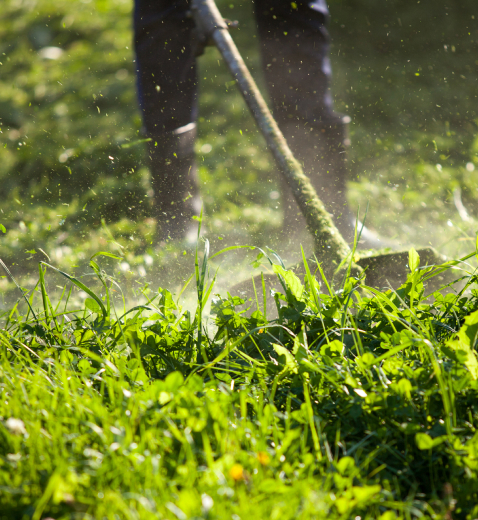
Summer Lawn Care in the Gulf Coast Heat
Three things make our summers brutal on turf. First, the heat. Daytime temperatures sit in the 90s for weeks, and soil temperatures climb high enough to stress roots. Second, the humidity. Our air rar
- Why Gulf Coast Summers Punish Lawns
- How to Water Your Lawn in Summer
- Mowing in Summer
- Disease and Pest Pressure Peak in Summer
- Fertilizing in the Heat: Proceed With Caution
- Summer Care by Grass Type
- Avoid These Common Summer Mistakes
- Signs Your Summer Lawn Is in Trouble
- The TurnKey Summer Approach
- Frequently Asked Questions
By July, plenty of New Orleans lawns are struggling. The grass looks gray-green and limp, footprints stay pressed into the blades long after you walk across it, and brown patches seem to spread overnight. The heat is relentless, the humidity never lets up, and afternoon storms dump rain one day then leave you baking the next. If your lawn looks worse in summer than it did in spring, you are not doing anything obviously wrong. The Gulf Coast summer is simply one of the hardest environments in the country to keep a lawn healthy.
The good news is that summer survival comes down to a handful of habits, mostly around watering, mowing height, and disease prevention. Do these right and your lawn coasts through August. Do them wrong and you can cook your grass even while trying to help it. This guide explains what your New Orleans lawn actually needs once the heat sets in.
Summer is one piece of the bigger picture. Our seasonal lawn care program keeps your lawn protected from the first hot week through fall recovery, all on a schedule built for our climate.
Why Gulf Coast Summers Punish Lawns
Three things make our summers brutal on turf. First, the heat. Daytime temperatures sit in the 90s for weeks, and soil temperatures climb high enough to stress roots. Second, the humidity. Our air rarely dries out, and that constant moisture on grass blades is a perfect breeding ground for fungus and disease. Third, our soil. Heavy clay and a high water table mean water either sits and suffocates roots or runs off before it soaks in, depending on how you water. Add in our afternoon thunderstorms and tropical moisture and you get a lawn that swings between soggy and scorched. Warm-season grasses like St. Augustine, Zoysia, Bermuda, and Centipede are built for heat, but even they have limits, and bad watering or mowing habits push them past those limits fast. This is exactly why a generic summer routine fails here. Our seasonal lawn care approach is built around the specific stress our climate puts on grass.
How to Water Your Lawn in Summer
Watering is the single biggest factor in summer lawn survival, and it is where most people go wrong.
Water Deep, Not Often
Light daily sprinkling trains roots to stay shallow, right where the heat is worst. Instead, water deeply and less often so moisture soaks down and roots follow it deep into cooler soil. Most New Orleans lawns need about an inch to an inch and a half of water per week in summer, including rainfall, delivered in two or three deep sessions rather than a daily mist. For the full breakdown, see our lawn watering schedule for Louisiana summers.
Water Early in the Morning
The best time to water is before 9 AM. Watering in the heat of the afternoon wastes water to evaporation, and watering in the evening leaves grass wet overnight, which invites the fungus our humidity loves. Morning watering soaks in and dries the blades by midday. The reasoning is explained in what time of day you should water your grass.
Watch for Drought Stress
When grass turns gray-green, blades fold or curl, and footprints linger, your lawn is telling you it needs water now. Catching this early prevents the brown dormancy that takes weeks to recover from.
Not sure what your yard needs?
Send the details and we will tell you. Free estimate, price agreed before any work.
Mowing in Summer
Raise the Blade
Cut higher in summer, not lower. Taller grass shades its own roots and the soil, holds moisture longer, and crowds out weeds. For St. Augustine, keep it at the top of its range, around 3.5 to 4 inches. Scalping a lawn in July is one of the fastest ways to kill it.
Mow in the Cool of the Day and Keep Blades Sharp
Mow in the morning or evening to avoid stressing both you and the grass. Keep your blade sharp so it cuts cleanly. Torn, ragged tips lose more moisture and open the door to disease, which spreads fast in our humidity. Never mow wet grass after a storm, since it clumps, spreads fungus, and cuts unevenly.
Disease and Pest Pressure Peak in Summer
Our humidity makes summer the prime season for lawn disease. Brown patch, gray leaf spot, and other fungal problems thrive in warm, wet conditions and can spread across a yard quickly. Catching and treating them early is far easier than fighting a full outbreak. Our guide to lawn disease prevention in humid climates covers what to watch for and how to stop it. Summer is also when grub damage shows up. Grubs feed on roots underground, and the damage often appears as wilting or dying patches that pull up easily like loose carpet. If your lawn is browning despite proper watering, grubs may be the culprit. See grub and lawn pest control for the full picture.
Fertilizing in the Heat: Proceed With Caution
Summer feeding is a judgment call, not a routine. A heavy dose of fast-release nitrogen in 95-degree heat can scorch your lawn, especially if your watering is inconsistent. The grass is already working hard just to survive, and pushing aggressive new growth in those conditions adds stress it does not need. If you feed at all in midsummer, keep it light, use a slow-release product, apply during the cooler part of the day, and water it in thoroughly. Many New Orleans lawns do best with only a light summer feeding, or a hold during the most brutal stretch, then a strong feeding once fall arrives. Our lawn fertilization schedule maps the safe windows so you do not burn the lawn you are trying to help.
Summer Care by Grass Type
Our common warm-season grasses handle summer differently, and a little knowledge changes how you treat them:
- St. Augustine. The most common grass in New Orleans. It tolerates heat and shade well but is thirsty and prone to fungal disease in our humidity, so watering discipline and disease watch matter most.
- Bermuda. The toughest in full sun and drought, but it struggles in shade and can brown out in low-light spots.
- Zoysia. Dense and fairly drought-tolerant once established, though it can be slow to recover from heavy stress.
- Centipede. Heat-tolerant and low-maintenance, but sensitive to overwatering and overfeeding, which cause more summer problems than neglect.
Matching your summer routine to your grass type is one of the first things we sort out during a free assessment.
Avoid These Common Summer Mistakes
Plenty of well-meaning effort actually hurts a New Orleans lawn in summer. Watch out for these:
- Watering every evening. It feels helpful, but overnight moisture is the number one driver of fungal disease in our humidity.
- Mowing too short to mow less often. Scalping exposes soil to heat, dries it out, and invites weeds.
- Watering a little every day. Light daily watering keeps roots shallow and vulnerable. Deep and infrequent is the rule.
- Ignoring early brown spots. Disease and grubs spread fast here. A small spot in July can become half the yard by August.
- Heavy summer feeding. Pushing growth in extreme heat stresses and can burn the grass.
Signs Your Summer Lawn Is in Trouble
Watch for these warning signs and act quickly:
- Gray-green color and curled blades. Drought stress. The lawn needs a deep watering soon.
- Brown patches that spread fast. Often fungal disease, especially after humid stretches or evening watering.
- Patches that lift up easily. A classic sign of grub damage to the roots.
- Footprints that stay visible. The grass lacks the moisture to spring back.
- Thinning despite watering. Could point to compacted soil, disease, or feeding problems.
If your lawn is showing several of these, it needs more than a hose. It needs a targeted plan.
The TurnKey Summer Approach
Keeping a lawn alive through a New Orleans summer takes consistency and quick response to problems, which is hard when you are dealing with the heat yourself. Here is how we help our neighbors get through it:
- Free assessment of your summer stress points. We identify your grass type, check your watering setup, and look for early signs of disease, grubs, and drought stress.
- A watering and mowing plan that fits your lawn. We set the right depth, timing, and height for your specific grass and soil.
- Proactive disease and pest monitoring. We catch fungal outbreaks and grub activity early, when they are easiest and least costly to treat.
- Eco-friendly treatment options. When your lawn needs intervention, we offer environmentally responsible products that protect your family and pets.
- Steady, dependable visits. Summer is not the time for guesswork. We keep your lawn on track with reliable, scheduled care.
We bring modern equipment, transparent and fair pricing, no hidden charges, and a satisfaction guarantee to every job. You stay out of the heat, and your lawn stays alive. When the worst of summer passes, our fall lawn care and overseeding guide shows how to help your lawn recover and bounce back even thicker. To prevent the compaction that makes summer harder, review our lawn aeration guide.
Frequently Asked Questions
How often should I water my lawn during a Louisiana summer?
Most lawns need about an inch to an inch and a half of water per week, including rain, delivered in two or three deep sessions rather than daily light watering. See how often you should water your lawn in summer for details specific to our heat.
What time of day is best to water in summer?
Before 9 AM. Morning watering soaks in before the heat and dries the blades by midday, which prevents the overnight moisture that fuels fungus. Full reasoning is in what time of day you should water your grass.
Why is my lawn dying in the summer heat even though I water it?
It could be shallow watering, fungal disease from humidity, grub damage at the roots, or scalping the grass too short. Our guide to why your lawn is dying in the summer heat walks through each cause.
Why does my lawn get fungus in summer?
Our constant humidity keeps grass blades damp, especially with evening watering, and that warm moisture is ideal for fungal disease. Learn the cause and the fix in why your lawn has fungus in summer.
Should I cut my grass shorter in summer to mow less often?
No. Cutting shorter exposes soil to heat, dries it out, and lets weeds in. Raise the blade in summer so taller grass shades and protects its own roots.
Next Steps
Summer is when a New Orleans lawn is most at risk, and small mistakes with watering or mowing show up fast in our heat and humidity. If you would rather not spend the hottest months babysitting your grass, let your friendly neighborhood lawn care partner take it on. TurnKey Lawn Care serves New Orleans, Metairie, Kenner, Slidell, Mandeville, Covington, and the surrounding metro with reliable, transparent service and no hidden charges. Call us today at (504) 386-5468 for a free estimate and a summer plan built to keep your lawn green through the worst of it. Beat the heat. Let TurnKey keep your lawn alive this summer.
- Free estimate, price agreed before any work
- Licensed, bonded and insured
- One company for mowing through to outdoor builds
- Serving the Greater New Orleans metro