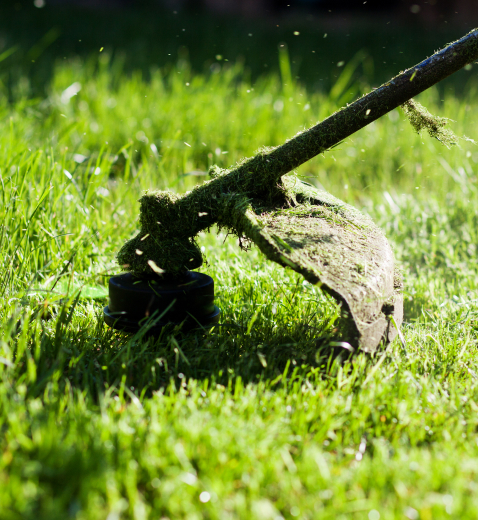
Fall Lawn Care and Overseeding for New Orleans
Up north, fall is about preparing for a hard freeze. On the Gulf Coast, our fall is milder and longer, and our warm-season grasses do not go fully dormant. That gives you a generous recovery window. S
- Why Fall Matters More Than People Think Here
- The Fall Lawn Care Checklist
- Overseeding in New Orleans: What You Need to Know
- Fall Care by Grass Type
- Signs Your Lawn Needs Fall Attention
- How to Overseed for the Best Results
- Why Fall Is the Recovery Season
- The TurnKey Fall Process
- Frequently Asked Questions
After a long Gulf Coast summer, most New Orleans lawns look beat up. There are thin spots where the heat won, bare patches from disease or grubs, and a tired, uneven color across the yard. Then the first cooler mornings arrive in October and you start thinking about the lawn again, but it is easy to assume the growing season is over and there is nothing left to do until spring. That assumption costs you a great lawn.
Fall is actually one of the best windows of the year to repair summer damage and set your lawn up to come back strong. The heat has broken, the soil is still warm, and your grass has the energy to recover before its slow season. What you do now, especially with feeding, repair, and overseeding, determines how your lawn looks next spring. This guide walks through fall lawn care for our specific climate.
Fall is one stop on the year-round path. Our seasonal lawn care program carries your lawn from summer recovery through winter dormancy on a schedule built for the Gulf Coast.
Why Fall Matters More Than People Think Here
Up north, fall is about preparing for a hard freeze. On the Gulf Coast, our fall is milder and longer, and our warm-season grasses do not go fully dormant. That gives you a generous recovery window. Soil stays warm well into November, roots keep growing even as top growth slows, and that root development is what carries the lawn through winter and powers a strong spring. Our climate also creates a unique overseeding decision. Many New Orleans homeowners overseed with cool-season ryegrass in fall to keep a green lawn through our mild winter, since warm-season grasses fade to tan when temperatures drop. Whether that is right for you depends on your goals, and we will cover it below. The bottom line is that fall is a working season here, not a wind-down. Our seasonal lawn care plan treats it that way.
The Fall Lawn Care Checklist
1. Assess the Summer Damage (Early to Mid Fall)
Walk the yard and take stock. Note thin areas, bare patches, spots that never recovered from disease, and any lingering signs of grubs. This tells you where to focus repair and where overseeding will pay off most.
2. Keep Mowing, Then Lower Gradually
Your grass is still growing in early fall, so keep mowing on schedule. As growth slows later in the season, you can gradually lower the cutting height slightly, which helps sunlight reach the lower blades and reduces matting. Do not scalp it.
3. Apply Fall Fertilizer (Timed Carefully)
Fall feeding focuses on roots, not top growth. A fall fertilizer application helps your warm-season grass store energy for winter and bounce back faster in spring. Timing matters. Feed too late, when growth has already stopped, and the lawn cannot use it. Our lawn fertilization schedule lays out the exact windows for the year.
4. Aerate Compacted Soil
After a summer of foot traffic, mowing, and our heavy clay, soil gets compacted and roots struggle to breathe. Fall is an excellent time to aerate, especially right before overseeding, because the holes give seed and roots a place to take hold. See our guide to lawn aeration and when to do it.
5. Overseed If It Fits Your Goals
This is the big fall decision for New Orleans lawns, covered in detail below.
6. Manage Falling Leaves
As trees drop their leaves, a heavy layer left on the lawn blocks sunlight and traps moisture, which can smother and rot the grass beneath. Stay on top of leaf removal through the season. Our guide to leaf removal and fall cleanup covers how to do it without damaging the lawn.
Not sure what your yard needs?
Send the details and we will tell you. Free estimate, price agreed before any work.
Overseeding in New Orleans: What You Need to Know
Overseeding means spreading new grass seed over an existing lawn. In our region it serves two different purposes, and which one applies to you changes the approach.
Option A: Winter Color With Ryegrass
Warm-season grasses like St. Augustine, Zoysia, Bermuda, and Centipede turn tan and dormant in winter here. Some homeowners overseed with annual or perennial ryegrass in mid to late fall to keep a green lawn through our mild winter months. The ryegrass thrives in cool weather, then fades as the warm-season grass wakes up in spring. This is mostly about looks, and it does require extra winter mowing and watering.
Option B: Filling Thin and Bare Spots
If your goal is to thicken a patchy lawn rather than chase winter green, the right seed depends on your existing grass type. Note that St. Augustine, the most common grass in New Orleans yards, is usually established from sod or plugs rather than seed, so repairing it often means plugging rather than overseeding. Bermuda and Centipede lawns can be overseeded more readily. For a full walk-through of the decision, see should I overseed my lawn in the fall. Whichever route fits, overseeding works best after aeration and on a clean, lightly raked surface with consistent moisture until the seed establishes.
7. Handle Weeds Before They Settle In
Fall is when cool-season weeds like annual bluegrass and clover start germinating, getting ready to take over your lawn through our mild winter. A fall pre-emergent application stops many of them before they sprout, and spot-treating any that appear keeps them from going to seed. Stopping weeds now means a far cleaner lawn next spring. Our pre-emergent weed control timing guide covers the fall window in detail.
8. Dethatch If the Layer Has Built Up
A summer of growth can leave a thick mat of dead material, called thatch, between the grass and soil. A heavy thatch layer blocks water, air, and nutrients and gives disease a place to hide. Fall is a good time to dethatch if the layer is more than about half an inch, and it pairs well with aeration and overseeding. See our guide to dethatching your lawn.
Fall Care by Grass Type
What your fall routine looks like depends on what you are growing:
- St. Augustine. The most common New Orleans grass. It is established from sod or plugs, not seed, so repair thin spots with plugs. It is also the most cold-sensitive, so a strong fall feeding helps it weather winter.
- Bermuda. Recovers well in fall and can be overseeded to fill thin areas. It greens up tan in winter unless overseeded with ryegrass.
- Zoysia. Slow to recover, so give it time and a fall feeding to store energy. It rarely needs overseeding.
- Centipede. A light feeder. Go easy on fall fertilizer, since overfeeding does more harm than good with this grass.
Identifying your grass type is the first step in a smart fall plan, and it is something we confirm during a free assessment.
Signs Your Lawn Needs Fall Attention
- Thin, see-through turf. Summer thinned it out, and fall is the window to thicken it back up.
- Bare or dead patches. These need repair, plugging, or overseeding before winter.
- Compacted, hard soil. A sign aeration is overdue, especially before overseeding.
- Heavy thatch layer. A spongy mat between grass and soil blocks recovery and may need dethatching. See dethatching your lawn.
- Lingering brown spots. Could be unresolved disease or grub damage carrying over from summer.
How to Overseed for the Best Results
If you decide overseeding fits your lawn, the process matters as much as the decision. Rushing it wastes seed and money. The proven sequence for our climate looks like this. First, mow the existing lawn a little shorter than usual so seed can reach the soil. Second, aerate to open up our compacted clay and create pockets where seed can settle and roots can grab hold. Third, rake or lightly dethatch so the surface is clean and seed touches actual soil rather than sitting on a mat of dead grass. Fourth, spread the right seed evenly at the recommended rate. Fifth, and most important, keep the seeded area consistently moist with light, frequent watering until the new grass establishes, usually a couple of weeks, then taper back to deep, infrequent watering. Skip the moisture step and the seed simply will not take.
Why Fall Is the Recovery Season
It helps to understand what is happening beneath the surface in fall. Through summer, our heat and humidity push grass to its limits, and many lawns spend the season just surviving rather than building strength. When the heat breaks, the soil stays warm but the air cools, and that combination is ideal for root growth. The grass shifts its energy from fighting the heat to developing the deep, strong root system that powers next spring. Everything you do in fall, feeding, aeration, overseeding, and cleanup, supports that root development. A lawn that goes into winter with strong roots greens up faster, thicker, and more weed-resistant than one that limped in exhausted from summer.
The TurnKey Fall Process
Fall has a real window, and missing it means waiting until spring to fix problems that compound over winter. Here is how we help our neighbors make the most of the season:
- Free fall assessment. We evaluate summer damage, identify your grass type, check soil compaction, and tell you honestly whether overseeding makes sense for your lawn and goals.
- A targeted recovery plan. We map out feeding, aeration, repair, and cleanup in the right order and timing for your yard.
- Aeration and overseeding done right. When overseeding fits, we aerate first, prepare the surface, apply the right seed, and guide watering so it establishes.
- Leaf and debris management. We keep leaves from smothering your recovering lawn.
- A clean handoff to winter. Fall care flows into our winter plan so your lawn stays healthy through dormancy.
We use modern equipment, offer eco-friendly options, and stand behind our work with transparent and fair pricing, no hidden charges, and a satisfaction guarantee. You get a lawn that recovers from summer and comes back stronger next year. When dormancy sets in, our winter lawn care for Louisiana guide explains the light but important work that keeps your lawn healthy in the cool months. And to recover from the season you just finished, revisit our summer lawn care guide to avoid repeating the damage next year.
Frequently Asked Questions
Should I overseed my lawn in the fall in New Orleans?
It depends on your goal. Overseed with ryegrass for winter green, or seed thin spots to thicken certain grass types. St. Augustine is usually repaired with plugs, not seed. See should I overseed my lawn in the fall for the full decision.
When should I fertilize my lawn in the fall?
Apply fall fertilizer while your grass is still actively growing, before the cool weather slows it down, so the roots can store energy for winter and spring. Exact timing is in when to fertilize your lawn in Louisiana.
Do I need to aerate before overseeding?
Yes, in most cases. Aeration loosens our compacted clay soil and creates pockets for seed and roots to establish. Learn the timing in the best time to aerate a lawn.
How do I remove fallen leaves without damaging my grass?
Remove leaves regularly before they mat down and trap moisture, and avoid raking so aggressively that you tear the turf. Our guide to removing fallen leaves without killing your grass explains the safe approach.
Is my lawn still growing in the fall here?
Yes. Our warm soil keeps roots growing well into November, which is exactly why fall is such a productive recovery season on the Gulf Coast.
Next Steps
Fall is a quiet but powerful window for your lawn, and the work you do now pays off all the way through next spring. If you would rather not juggle aeration, overseeding decisions, and leaf cleanup on your own, let your friendly neighborhood lawn care partner handle it. TurnKey Lawn Care serves New Orleans, Metairie, Kenner, Slidell, Mandeville, Covington, and the surrounding metro with reliable, transparent service and no hidden charges. Call us today at (504) 386-5468 for a free estimate and a fall recovery plan built for your yard. Let's get your lawn ready to come back strong.
- Free estimate, price agreed before any work
- Licensed, bonded and insured
- One company for mowing through to outdoor builds
- Serving the Greater New Orleans metro